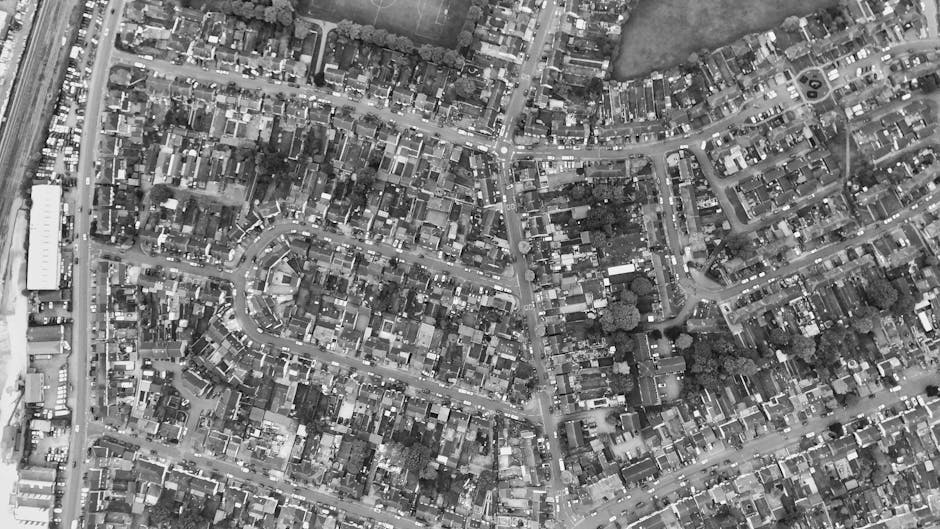
Quick removals Ruislip HA4 guide to parking and access issues
If you are planning a move in Ruislip HA4, the biggest headache is often not the lifting or the packing. It is the parking. A van can arrive on time, the crew can be ready, and still the whole job slows down because there is nowhere sensible to stop, the access is tight, or a neighbour has parked just where you needed the loading bay. This Quick removals Ruislip HA4 guide to parking and access issues is here to make the day smoother, calmer, and a lot less chaotic.
In practice, a quick removal only stays quick when the route, the frontage, the stairs, the doorway, and the parking plan all work together. That sounds obvious, but in busy parts of HA4, small details add up fast. A few metres of extra carry, a narrow turning circle, or a poorly timed school run can turn a simple move into a slow one. Let's face it, nobody wants the team standing there with a wardrobe while everyone waits for a gap in the road.
This guide explains what to check before moving day, how removals teams usually handle access issues, where delays come from, and what you can do to avoid them. It also links to useful service pages if you want broader support with removals, man and van, home moves, or office removals.
Table of Contents
- Why Quick removals Ruislip HA4 guide to parking and access issues Matters
- How Quick removals Ruislip HA4 guide to parking and access issues Works
- Key Benefits and Practical Advantages
- Who This Is For and When It Makes Sense
- Step-by-Step Guidance
- Expert Tips for Better Results
- Common Mistakes to Avoid
- Tools, Resources and Recommendations
- Law, Compliance, Standards, or Best Practice
- Options, Methods, or Comparison Table
- Case Study or Real-World Example
- Practical Checklist
- Conclusion
- Frequently Asked Questions
Why Quick removals Ruislip HA4 guide to parking and access issues Matters
Parking and access issues matter because they affect almost every part of the move: timing, safety, cost, stress levels, and how much physical work is needed. A straightforward move can become awkward very quickly if the vehicle cannot get close to the entrance. The team may need extra trips, longer carry distances, or more time spent planning the best route through shared entrances, stairs, lifts, and tight hallways.
In local moving jobs, the difference between a smooth day and a frustrating one is often surprisingly small. A narrow residential street, a driveway shared with other homes, a busy high street, or a block of flats with limited waiting space can all change the approach. You might think, "It's only one van," but even one van needs room to stop safely, unload efficiently, and avoid blocking traffic.
Parking issues also matter because removal work is physical. The longer the carry from van to property, the more strain there is on the team and the greater the chance of knocks, scrapes, or delays. That is especially relevant for heavier pieces such as sofas, appliances, wardrobes, and a piano removals job, where careful handling and a clean route are essential.
Practical takeaway: a quick move is not just about speed. It is about reducing wasted movement, protecting your belongings, and making sure the vehicle can actually work where you live.
For many customers, this is also where confidence starts. If you know the access plan is sorted, you can focus on the move itself. That little bit of certainty helps more than people expect. Moving day is noisy enough already.
How Quick removals Ruislip HA4 guide to parking and access issues Works
The process usually starts before moving day, ideally at quote stage or soon after booking. A good removals team will ask where the property is, what kind of road access exists, whether parking is restricted, how far the van will need to be from the entrance, and whether any obstacles could slow loading. If you are arranging a bigger move, this is often part of planning for house removals or flat removals.
Once that information is known, the team can decide on the best vehicle, loading order, staffing levels, and arrival timing. For example, a narrow road may be better served by a smaller vehicle or by arriving earlier in the day, while a property with a long shared path may need more time and a different unloading strategy. A removal van can be ideal for quicker, tighter jobs, while larger loads may need a moving truck or removal truck hire.
In real terms, the team is balancing four things at once:
- Parking position - how close the vehicle can get to the property.
- Access route - doorways, stairs, lifts, corridors, gates, and paths.
- Load size - how much needs to move and how bulky it is.
- Time pressure - whether the move needs to happen quickly or in stages.
Sometimes the solution is simply to choose a smaller, more agile service like man with van or man with a van for a shorter carry and faster loading cycle. Other times, the answer is better preparation: clearing the pavement, reserving space where allowed, or splitting the job into two runs. In a few cases, storage can be the smartest halfway point, especially if the new place is not ready yet or access is too limited on the day. That is where storage can help calm the whole picture down.
Key Benefits and Practical Advantages
When parking and access are planned properly, the benefits are immediate and very practical. Nothing glamorous, just a better day. Which is exactly what you want.
- Less waiting time: the crew can start unloading quickly instead of circling for space or carrying items from a long distance.
- Lower risk of damage: shorter carries and clearer routes reduce the chance of bumps, dropped items, or scraping walls.
- Better value: if the job runs efficiently, you are less likely to pay for avoidable delays.
- Less stress for everyone: there is less shouting, less confusion, and fewer last-minute scrambles with neighbours or building managers.
- Safer working conditions: a sensible parking plan helps the team move heavy furniture more safely.
There is also a subtle but important benefit: a smoother move tends to feel smaller. That sounds odd, but if you have ever watched a move drift from "just a couple of hours" into an all-day event, you will know what I mean. Good access planning keeps the whole thing feeling controlled.
For business customers, especially those using commercial moves or office relocation services, better access planning can also reduce disruption to staff, customers, and nearby businesses. For student moves, the benefit is usually speed and simplicity. For families, it is often peace of mind. Different goals, same core win.
Who This Is For and When It Makes Sense
This guide is for anyone moving in or out of Ruislip HA4 where parking or access might be tricky. In practice, that includes far more people than you might think.
- People moving from terraced homes with limited street space
- People living in flats, maisonettes, or shared buildings
- Landlords and tenants coordinating timed handovers
- Students moving between accommodation and needing a quick turnaround
- Office managers shifting equipment with minimal downtime
- Households with bulky furniture, fragile items, or awkward staircases
It makes sense whenever the move depends on speed, limited vehicle access, or careful timing. That could be a same-day move, a weekend slot, or a weekday window when the road is busy. It also makes sense if you are trying to avoid a larger vehicle blocking neighbours, or if the building entrance is tucked away and not visible from the road.
If you are handling a smaller job, a same day removals service or a compact removal van may be enough. If you are shifting the contents of a whole house, then you will likely need a fuller removal services approach with more careful planning. Truth be told, the right choice often comes down to access more than volume.
Step-by-Step Guidance
Here is the simplest way to reduce parking and access problems before moving day. Keep it basic. Overcomplicating this part is where people get stuck.
- Check the street layout. Is there a narrow lane, one-way access, a bend, or a busy main road nearby? If so, note it early.
- Measure the useful distances. How far is it from the van to the front door, lift, or loading point? Even 20 extra metres makes a difference.
- Look for obstacles. Gates, low branches, steps, shared paths, parking posts, bollards, and bins all matter.
- Identify restrictions. Some roads are harder at school-run times or during resident-only hours. Others simply fill up fast.
- Tell the removals team clearly. Plain language helps. "There is no direct parking outside" is better than "It should be fine."
- Choose the right vehicle and crew size. If access is tight, a more compact setup can save time overall.
- Prepare the route inside the property. Clear hallways, open doors, and remove anything that could snag or trip someone.
- Have a backup plan. If the nearest space is taken, know where the next safe stopping point is.
A small detail makes a big difference: if your front door is on a busy pavement or in a block with shared access, take a minute to imagine the path from van to property as if you were carrying a washing machine. Not elegant, but useful. That mental walk-through catches problems before they happen.
Expert Tips for Better Results
In our experience, the best moving days are the ones where people are a little bit boring in the planning stage. Boring is good here. Boring keeps the day calm.
1. Aim for the shortest safe carry, not just the nearest space. Sometimes the closest gap is actually worse because it blocks traffic or makes lifting awkward. A slightly farther space with a clear route can be faster overall.
2. Think about the load order. If the first items out are the most awkward, the whole move can feel clumsy. A good team usually wants the loading sequence to match the access pattern.
3. Pack for access, not just for storage. For awkward properties, use sturdy boxes, proper labels, and sensible stacking. If you need help with that side, packing and boxes or packing and unpacking services can make a real difference.
4. Keep the entrance clear. Shoes, mats, plant pots, bikes, and recycling bins tend to creep into the way. Move them before the crew arrives. It sounds tiny. It is not tiny.
5. Build in a cushion for awkward buildings. Older properties, upper floors, and shared entrances often take longer than people expect. A good schedule leaves room for that.
6. Do not guess on parking. If you are not sure whether a van can stop safely, say so. Uncertainty is more useful than a confident wrong answer.
If the move includes expensive or delicate pieces, mention them in advance. That includes mirrors, artwork, antiques, and pianos. Careful handling is easier when the team knows what they are walking into.
Common Mistakes to Avoid
Most access problems are preventable. The annoying part is that the same mistakes keep showing up.
- Assuming parking will sort itself out. It rarely does.
- Not mentioning stairs, lifts, or long corridors. If the team finds out only on arrival, the whole schedule slips.
- Booking a vehicle that is too large for the street. Bigger is not always better.
- Leaving bins, bikes, or furniture in the route. A cluttered path slows everyone down and increases the chance of damage.
- Forgetting about the neighbours. A blocked entrance or noisy late arrival can create friction you really do not need.
- Underestimating the time needed to carry items. One sofa across a car park can take far longer than expected.
Another common issue is poor timing. A move that looks easy at 9 a.m. can become much harder at 3 p.m. if school traffic, deliveries, or commuter parking fills the area. Small timing choices can be the whole game. Slightly annoying, but true.
If you are comparing providers, look beyond price alone. A lower quote may not account for difficult access, while a more experienced team may spot the hidden issue straight away. Pages such as pricing and quotes can help set expectations before you book, and insurance and safety is worth checking whenever heavy or valuable items are involved.
Tools, Resources and Recommendations
You do not need a complicated toolkit to handle parking and access issues well. A few simple things are usually enough.
- Door measurements: note doorway widths, stair turns, and ceiling height where relevant.
- Photos of the frontage: a quick set of pictures helps the removals team visualise the approach.
- Simple access notes: tell them about gates, intercoms, lift access, and any codes or entry rules.
- Labelled boxes: this makes unloading faster, especially if parking is only available for a short time.
- Weather awareness: rain makes carrying harder, and wet paths can be slippery.
Useful internal pages to review before booking include about us if you want to understand the company background, health and safety policy for working practices, and terms and conditions so you know what is expected on both sides. For payment reassurance, payment and security is a sensible read too.
If you are moving furniture separately or clearing space before the main move, furniture removals and furniture pick up may be useful. These can help reduce clutter so the main removal day is cleaner and quicker.
Law, Compliance, Standards, or Best Practice
For parking and access, the practical reality is that you should follow local parking restrictions, building rules, and any instructions from property managers or landlords. If a road has permit-only parking, time restrictions, or loading limitations, it is best not to assume a quick stop is acceptable. That is one of those areas where a simple mistake can create a proper headache.
Best practice also means keeping access safe for everyone. Footpaths should not be blocked without good reason, loading should be done carefully, and heavy items should be moved with sensible lifting methods. For multi-storey buildings, lifts and communal corridors should be treated with care, not speed. It is better to take an extra minute than chip a wall or scuff a bannister.
Customers sometimes ask about compliance in a more general sense, and that is fair. A professional removals firm should be clear about its processes, insured where appropriate, and honest if an access issue needs extra time or a different vehicle. If something feels off, ask questions. Good operators do not mind. In fact, they usually prefer it.
For larger business relocations, a careful access plan is part of normal best practice. That is especially true for office removals and office relocation services, where disruption, building access, and timing need to be coordinated neatly.
Options, Methods, or Comparison Table
Different access situations call for different approaches. There is no single right answer, which is probably why moving day planning can feel fiddly. Here is a simple comparison.
| Approach | Best for | Strengths | Limitations |
|---|---|---|---|
| Compact man and van | Small moves, short carries, tight streets | Flexible, easier to park, quick to load | Less suited to large household loads |
| Standard removal van | Typical home or flat moves | Balanced capacity and manoeuvrability | May still struggle on very narrow roads |
| Removal truck | Large or bulky moves with workable access | Higher capacity, fewer trips | Needs more space and better parking access |
| Storage plus staged move | Complex handovers or delayed access | Reduces pressure on one day | Needs extra planning and sometimes extra cost |
As a rule of thumb, if the access is tight but the load is modest, smaller is usually smarter. If the load is large and the road allows it, a bigger vehicle can save time. And if neither feels clean, staging through storage may be the least stressful option. That is not defeat. It is just sensible logistics.
Case Study or Real-World Example
Here is a realistic example from a typical HA4 moving day. A couple were leaving a second-floor flat with no lift and only limited on-street parking nearby. The property faced a fairly busy road, and there was no guarantee a large vehicle could stop directly outside. They initially thought the move would be simple because the flat itself was not huge. In reality, the access was the problem.
Instead of sending a big vehicle and hoping for the best, the move was planned around a smaller van, early arrival, and a clear route from entrance to vehicle. The customers cleared the hallway the night before, labelled their boxes properly, and kept the stairwell free. The team loaded the heaviest items first, then the smaller bags and boxes. Nothing dramatic. Just good planning.
The result was a faster move than expected, with fewer stops and no need to wait for a space to open up. The couple later said the biggest relief was not the speed itself, but the fact that the day felt under control. And that really is the point. A move can be busy and still feel calm if the access plan is right.
That same approach also works for students, small businesses, and families moving from flats or terrace houses. Different situations, same principle: reduce friction before it starts.
Practical Checklist
Use this simple checklist before moving day. You do not need to tick every line in a fancy way. A pen on paper works just fine.
- Confirm the exact property address and entrance location
- Check whether parking is available directly outside or nearby
- Note any permit, visitor, or time-restricted parking issues
- Measure doorways, stair turns, and any tight internal spaces
- Tell the removals team about lifts, codes, gates, or shared access
- Clear paths, hallways, and the front entrance
- Move bins, bikes, potted plants, and loose items out of the way
- Prepare fragile or valuable items separately
- Decide whether a smaller vehicle is more suitable
- Keep contact details handy in case the team needs clarification on arrival
If you are moving a smaller load, you may want to compare a man and van with a fuller removals service. For larger moves, a coordinated home moves plan usually works better than trying to improvise on the day.
Conclusion
Parking and access issues can look like small details, but in removals they often decide whether the day feels smooth or stressful. A little planning around vehicle size, street layout, loading distance, and building access can save time, protect your belongings, and make the whole process feel much more manageable.
The main message of this Quick removals Ruislip HA4 guide to parking and access issues is simple: do not leave access to chance. Check it, describe it clearly, and choose the right setup for the property rather than the fanciest one on paper. That is how you keep a quick move quick.
If your move involves limited space, awkward parking, or a tight schedule, it is worth speaking to a team that understands local access problems and can plan around them properly. The right advice early on can save a lot of hassle later, and frankly, a calmer move is worth its weight in tea.
Get a free quote today and see how much you can save.
Frequently Asked Questions
What does access issues mean in a removal quote?
Access issues usually refer to anything that makes loading or unloading slower or harder, such as narrow streets, stairs, long walks from the van, parking restrictions, shared entrances, or lift access. It helps the removals team choose the right vehicle and timing.
Why does parking matter so much for quick removals?
Parking determines how close the vehicle can get to the property. The closer and safer the stop, the quicker the loading and unloading. If the van has to park far away, the move often takes longer and becomes more tiring.
Should I reserve parking for the removals van?
Only if it is allowed and appropriate for your location. In some cases, a permit or arranged space can help a lot. In others, the best option is simply to plan around normal parking restrictions and arrive early enough to find a suitable space.
What if my street is too narrow for a large vehicle?
Then a smaller vehicle may be a better fit. A man with van style move or a compact removal van can sometimes be far more practical than forcing a larger truck into a tight road.
How do I know if I need a smaller van or a full removals service?
Think about both the amount of furniture and the access. A small flat with tricky parking may still need careful planning, while a larger house with easy driveway access may suit a bigger vehicle. If you are unsure, describe the property clearly and ask for advice.
Can access problems increase the time it takes to move?
Yes, very often. Extra carrying distance, stairs, and awkward stops can all add time. Sometimes the delay is minor, but in tougher properties it can be significant. That is why early planning matters.
What should I tell the removals company before moving day?
Tell them about parking, road width, stairs, lifts, gates, entry codes, restricted hours, and any heavy or awkward items. A few honest details can prevent a lot of confusion later.
Is storage useful if access is difficult at the new property?
Yes, it can be. If the new home or office is not ready, or if access is too limited to complete everything in one day, short-term storage can make the move much easier to manage.
Do flat moves always have access problems?
Not always, but they often involve some combination of stairs, communal areas, or shared parking. That is why flat removals usually benefit from a very clear access plan.
How can I make moving day faster without rushing?
Clear the entrance, label boxes properly, confirm parking details, and keep walkways open. The goal is not to race. It is to remove friction before the crew arrives.
What is the best option for a same-day move with awkward parking?
A smaller, well-planned setup is often best. Depending on the load, same day removals combined with the right van size can be more efficient than a larger, less flexible vehicle.
Are business moves affected by parking and access problems too?
Absolutely. Office corridors, service entrances, loading bays, and city-style parking rules can all affect timing. For that reason, commercial moves and office relocations should always include an access plan.
What should I do if I am still unsure about my parking situation?
Take a few photos, note the address details, and explain the layout clearly when arranging the move. If in doubt, be honest about the uncertainty rather than guessing. That tends to get the best outcome, every time.